
OMCs incurring daily losses of nearly ₹500 crore even after four rounds of price hike: Hardeep Singh Puri
ADVERTISEMENT
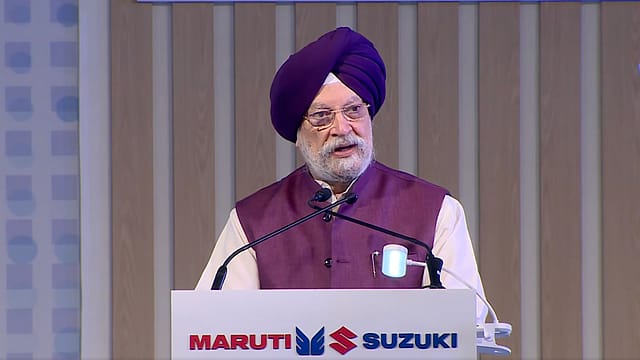
Minister of Petroleum and Natural Gas Hardeep Singh Puri on Thursday said the oil marketing companies (OMCs) are incurring daily losses to the tune of about ₹500 crore even after four rounds of fuel price hike done by the government.
"The daily losses for OMCs are still quite high. Before the price hike, the OMC were incurring losses worth ₹1,000 crore per day. Certain measures like excise duty reduction etc were taken. Still, the per day losses are around ₹500 - ₹550 crore," Puri said on the sidelines of the launch of Maruti Suzuki's first flex fuel vehicle in New Delhi.
"So, that is the scale of it. But that is the price of keeping the fuel affordable in the economy," Puri said. State-run oil marketing companies last raised fuel prices on May 25 amid firm global crude prices and persistent weakness in the rupee. The latest revision marked the fourth increase since May 15, with cumulative hikes in petrol and diesel prices now nearing ₹7.5 per litre.
The first round of increases saw both fuels becoming costlier by ₹3 per litre on May 15, followed by a series of smaller upward revisions on May 19, May 23 and now May 26.
Puri reiterated that said there is no fuel shortage anywhere in the country. He said India had successfully ramped up domestic LPG production from around 36,000 metric tonnes per day to 54,000 metric tonnes, sharply reducing dependence on LPG imports that used to come predominantly through the Strait of Hormuz.
He said LPG consumption, which stood at around 90,000 metric tonnes per day, has also come down.
The minister said the next phase of the government's biofuel strategy will focus on creating a nationwide retail network capable of supplying higher ethanol blends as vehicle manufacturers bring flex-fuel models to market.
"In the beginning, we will have over 50 to 100 dispensing stations in Delhi-NCR, Mumbai, Pune, and Ahmedabad. These will expand to 500 by December this year and approximately 5,000 outlets across major cities by the end of next year," he said.
The announcement comes amid growing industry interest in flex-fuel technology.