
India flags maritime security risks amid Gulf tensions, backs global action
ADVERTISEMENT
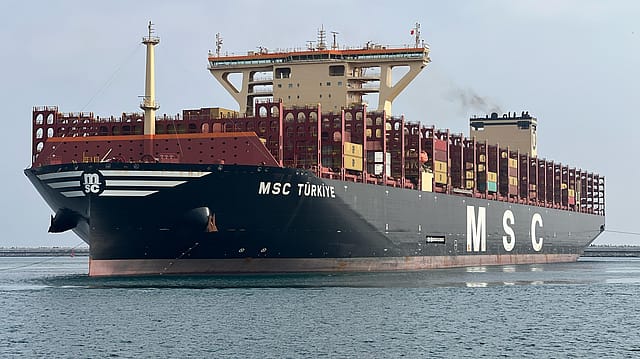
India has raised strong objections to attacks on commercial vessels and civilian maritime assets in the Gulf region, warning that such incidents pose serious risks to global trade flows and the safety of seafarers.
Addressing the 36th extraordinary session of the International Maritime Organisation (IMO) Council in London, India’s High Commissioner to the UK, Vikram Doraiswami, reaffirmed New Delhi’s commitment to safeguarding maritime security, ensuring freedom of navigation, and protecting international supply chains.
“Targeting commercial shipping and attacks on civilian maritime infrastructure is unacceptable,” he said, noting that recent incidents have resulted in casualties, injuries, and heightened risks for maritime workers.
India highlights seafarer safety concerns
India, a key supplier of global maritime manpower, accounts for nearly 13% of the world’s seafarers. Doraiswami said the country remains “deeply concerned about their safety and welfare” amid the escalating crisis.
Understanding the broader implications, Doraiswami said any disruption to shipping lanes or threats to civilian crews run counter to established international norms. “We reiterate that targeting commercial shipping, endangering civilian crews... and impeding safe and free navigation through international waterways, including the Strait of Hormuz, are unacceptable,” he said.
He emphasised that merchant shipping must continue to operate without hindrance under international law and called for restraint as tensions intensify in the region. India also pushed for de-escalation through dialogue and diplomacy, with civilian safety at the forefront.
The envoy expressed condolences over the deaths of three Indian seafarers and highlighted the scale of the impact, with around 23,000 Indian crew members affected by the ongoing situation.
India ramps up support and monitoring efforts
To support those impacted, India has activated a round-the-clock helpline and is coordinating rescue and information-sharing operations through the Information Fusion Centre-Indian Ocean Region, managed by the Indian Navy.
At present, 24 Indian-flagged ships are operating in the Persian Gulf, carrying hundreds of Indian seafarers across both sides of the Strait of Hormuz, he added.
Global call for coordinated maritime action
The IMO Council echoed concerns over rising threats to merchant shipping, particularly in the Gulf, and flagged disruptions linked to Iran. It called for enhanced global coordination to secure maritime routes and ensure the safety of civilian vessels.
Among the measures discussed was the creation of a voluntary maritime safety corridor to facilitate the movement of ships from high-risk zones to safer waters. The Council reiterated the importance of upholding navigational rights and urged nations to work collectively to safeguard critical shipping lanes.
In his concluding remarks, IMO Secretary-General Arsenio Dominguez called for immediate and coordinated action. “Inaction is not an option... words alone are not sufficient. Together, we can protect the well-being of those who have no voice and safeguard freedom of navigation,” he said.
The Council also pressed for an immediate halt to attacks on vessels and urged governments to ensure uninterrupted supply of essentials such as food, water, and fuel to ships stranded in the region. The session saw participation from over 120 member states and was convened in response to growing concerns over disruptions to key maritime routes amid the intensifying West Asia conflict.