
Over 20 countries condemn Iran’s Hormuz actions amid fears of global supply disruption
ADVERTISEMENT
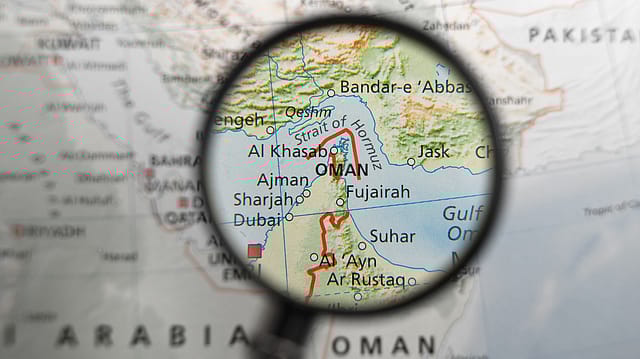
A coalition of more than 20 countries, including the United Kingdom, France, Japan and Australia, has sharply escalated diplomatic pressure on Iran after a series of attacks on commercial shipping in the Strait of Hormuz, warning of wider risks to global energy flows and economic stability.
In a joint statement, the group condemned what it described as Iran’s attacks on “unarmed commercial vessels” and civilian energy infrastructure, as well as what it called the “de facto closure” of the strait - one of the world’s most critical oil transit chokepoints. Roughly a fifth of global energy supplies pass through the narrow waterway.
The statement called on Iran to “cease immediately its threats, laying of mines, drone and missile attacks and other atdtempts to block the Strait to commercial shipping,” and to comply with United Nations Security Council Resolution 2817.
Global energy security at risk
The broad coalition - spanning Europe, Asia-Pacific and parts of the Middle East - framed the situation not just as a regional security issue, but as a direct threat to global economic stability. “Freedom of navigation is a fundamental principle of international law,” the statement said, referencing the United Nations Convention on the Law of the Sea.
It warned that disruptions in the Strait of Hormuz would have far-reaching consequences. “The effects of Iran’s actions will be felt by people in all parts of the world, especially the most vulnerable,” the leaders said, linking the attacks to potential supply shocks in global oil and gas markets.
The group also stressed that interference with shipping lanes and energy infrastructure “constitute a threat to international peace and security,” and called for “an immediate comprehensive moratorium on attacks on civilian infrastructure, including oil and gas installations.”
In parallel, countries signalled preparedness for coordinated action to cushion the economic fallout. The statement welcomed the International Energy Agency’s decision to authorise a coordinated release of strategic petroleum reserves, a move typically reserved for severe supply disruptions.
“We will take other steps to stabilise energy markets, including working with certain producing nations to increase output,” the statement said, without naming specific countries.
The coalition also indicated it was prepared to step up maritime coordination. “We express our readiness to contribute to appropriate efforts to ensure safe passage through the Strait,” the leaders said, adding that preparatory planning was already underway among some nations.
The developments come days after Donald Trump said countries dependent on Gulf oil should take greater responsibility for securing the route. Speaking on March 16, Trump argued that nations benefiting from the energy flows “have a responsibility to protect” the strait, underscoring a shift towards burden-sharing in safeguarding critical trade routes.
The coalition urged all states to “respect international law and uphold the fundamental principles of international prosperity and security,” even as tensions in the Gulf continue to mount.