
Customs reforms vital to boost MSMEs, manufacturing push: Revenue Secretary Shrivastava
ADVERTISEMENT
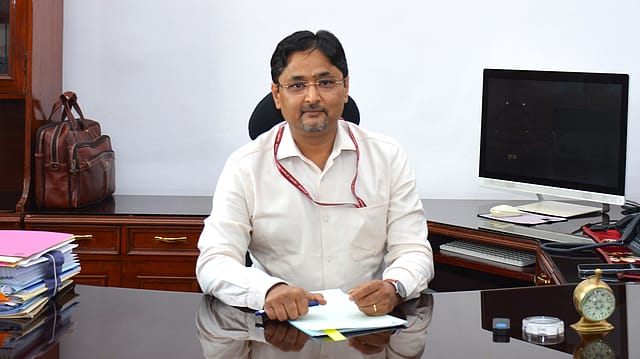
Revenue Secretary Arvind Shrivastava on Thursday said customs procedures must actively enable Indian exporters to access global markets with speed and certainty, as the country sharpens its focus on expanding domestic manufacturing and supporting MSMEs and entrepreneurs.
Speaking at the National Symposium on Customs Reforms–2026, Shrivastava said the two key pillars of the customs reforms announced in the Union Budget are “trust in stakeholders” and the “effective use of technology”. He added that the Customs Department will work towards strengthening systems and enhancing capacities, both in human resources and technology.
He said the relationship between the Revenue Department and industry stakeholders is undergoing a shift — from an authoritative and adversarial approach to one based on partnership, collaboration, and cooperation.
“Instead of an authoritative and adversarial relationship between the tax department and the industry, we are building a relationship of partnership, of collaboration, and of cooperation,” he said.
India stands at an important juncture in economic journey: Shrivastava
Shrivastava said India stands at an important juncture in its economic journey. Expanding trade volumes, deeper integration into global value chains, a growing digital commerce ecosystem, and rising citizen aspirations demand governance systems that are efficient, transparent, and responsive.
ALSO READ | Piyush Goyal launches ₹25,060 crore export promotion mission to boost shipments, support MSMEs
“Equally significant is the focus on export opportunities. As India seeks to expand manufacturing and support MSMEs, digital entrepreneurs and startups, customs procedures must actively enable exporters to access global markets with speed and certainty,” he said.
He said that the Customs administration is not merely a regulatory authority but also an institution that facilitates economic growth, strengthens supply chains, protects society and enhances India’s global competitiveness.
Tax department has begun placing draft rules in public domain
Highlighting recent steps toward greater transparency, Shrivastava said the tax department has begun placing draft rules in the public domain for stakeholder consultation. “This indicates our openness and willingness to listen and incorporate suggestions that are beneficial for all,” he said.
Earlier this month, the department released draft rules and forms under the new Income Tax Act, 2025, for public consultation. The new law, which will replace the Income Tax Act, 1961, is scheduled to come into effect on April 1.
“As India progresses towards the vision of Viksit Bharat 2047, efficient, technology-enabled border management will remain central to sustaining economic momentum. Customs reforms, therefore, are not isolated changes but an integral component of the national economic strategy,” Shrivastava added.