
₹1.35 lakh cr Vizag AI hub to anchor ‘Gateway to Intelligence India’: Rakesh Bharti Mittal bets on fibre, green power
ADVERTISEMENT
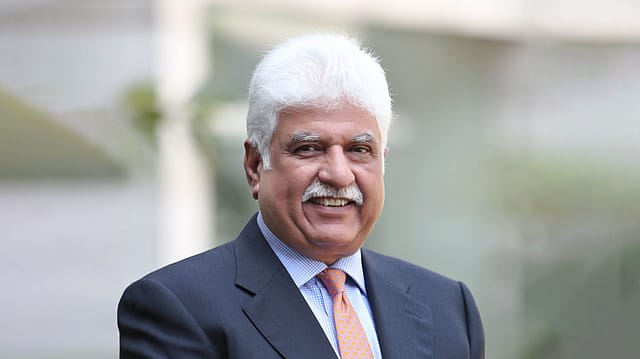
At the foundation ceremony of the $15 billion (₹1.35 lakh crore) AI data centre in Visakhapatnam, Rakesh Bharti Mittal, Vice Chairman of Bharti Enterprises, positioned the project as a defining shift in India’s digital evolution—from connectivity to intelligence-led infrastructure.
Recalling Bharti’s early telecom investments in Andhra Pradesh, Mittal drew a parallel between the rollout of mobile networks in the late 1990s and the current push towards AI infrastructure. “Vizag, historically a gateway for maritime trade, will now be a gateway to the intelligence age for India and the globe,” he said, underlining the strategic significance of the 1 gigawatt (GW) hyperscale project being developed alongside Google and Adani Group.
Fibre backbone and data scale at the core
Mittal highlighted the region’s existing digital backbone as a key enabler. “Nearly 12,000 kilometres of fibre already exist in the ground,” he said, noting that this infrastructure positions Visakhapatnam to emerge as a high-capacity data hub. The project will integrate subsea cable landing stations and international connectivity, strengthening India’s role in global data flows.
A central pillar of execution will be Nxtra by Airtel, Bharti Airtel’s data centre arm, which currently operates over 120 facilities across 14 core campuses with a live capacity of around 270 megawatts. “This is just the beginning… our work starts now,” Mittal said, signalling aggressive timelines for delivery.
Green energy and resilient infrastructure push
Sustainability is expected to be a defining feature of the project. Mittal said nearly 400 megawatts of renewable energy will be deployed to power the infrastructure, aligning with India’s broader net-zero ambitions. “This project is going to be self-sustainable and eco-friendly—that is our commitment,” he said.
Beyond power, Bharti Airtel will build robust intra-city and inter-city fibre networks to enhance resilience and speed. The integration of subsea cables, terrestrial fibre, and hyperscale data centres is expected to significantly improve latency and reliability for AI workloads.
AI as the next pillar of India’s growth
Framing AI as a long-term economic driver, Mittal said, “AI has changed technology by digitising cognition itself,” adding that its impact will extend across productivity, efficiency, and large-scale personalisation. He emphasised that India will be central to this transformation: “This story cannot be told without India.”
With strong policy backing from the Andhra Pradesh government and execution support from industry partners, Mittal said Visakhapatnam is poised to attract sustained investments and commercial activity. As India scales up its digital infrastructure, projects of this magnitude are expected to play a pivotal role in shaping the country’s position in the global AI economy.